Morning, city
Base layer under an insulated shirt. Shell in the bag. It's 4°C and wind cuts down the street between buildings.
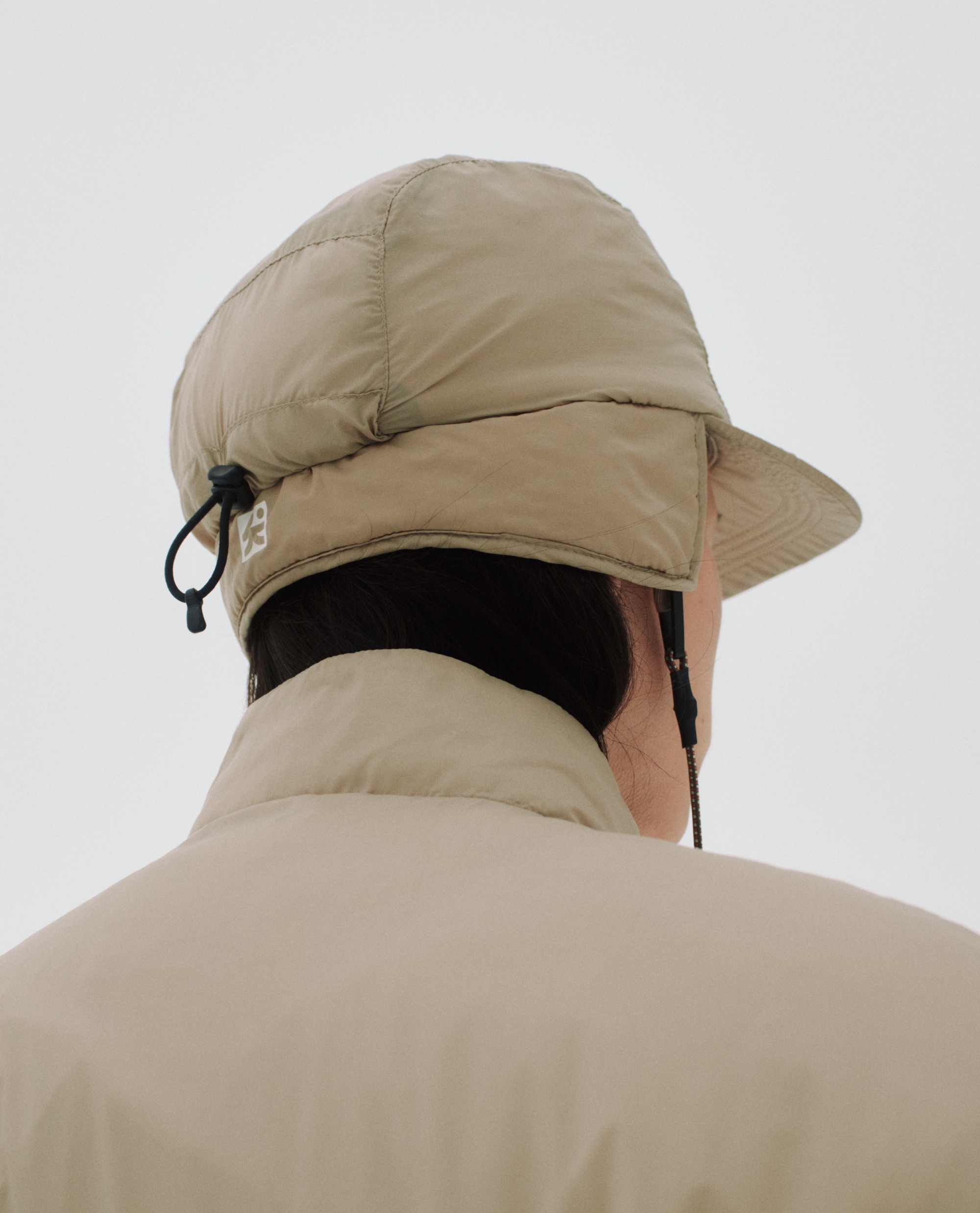
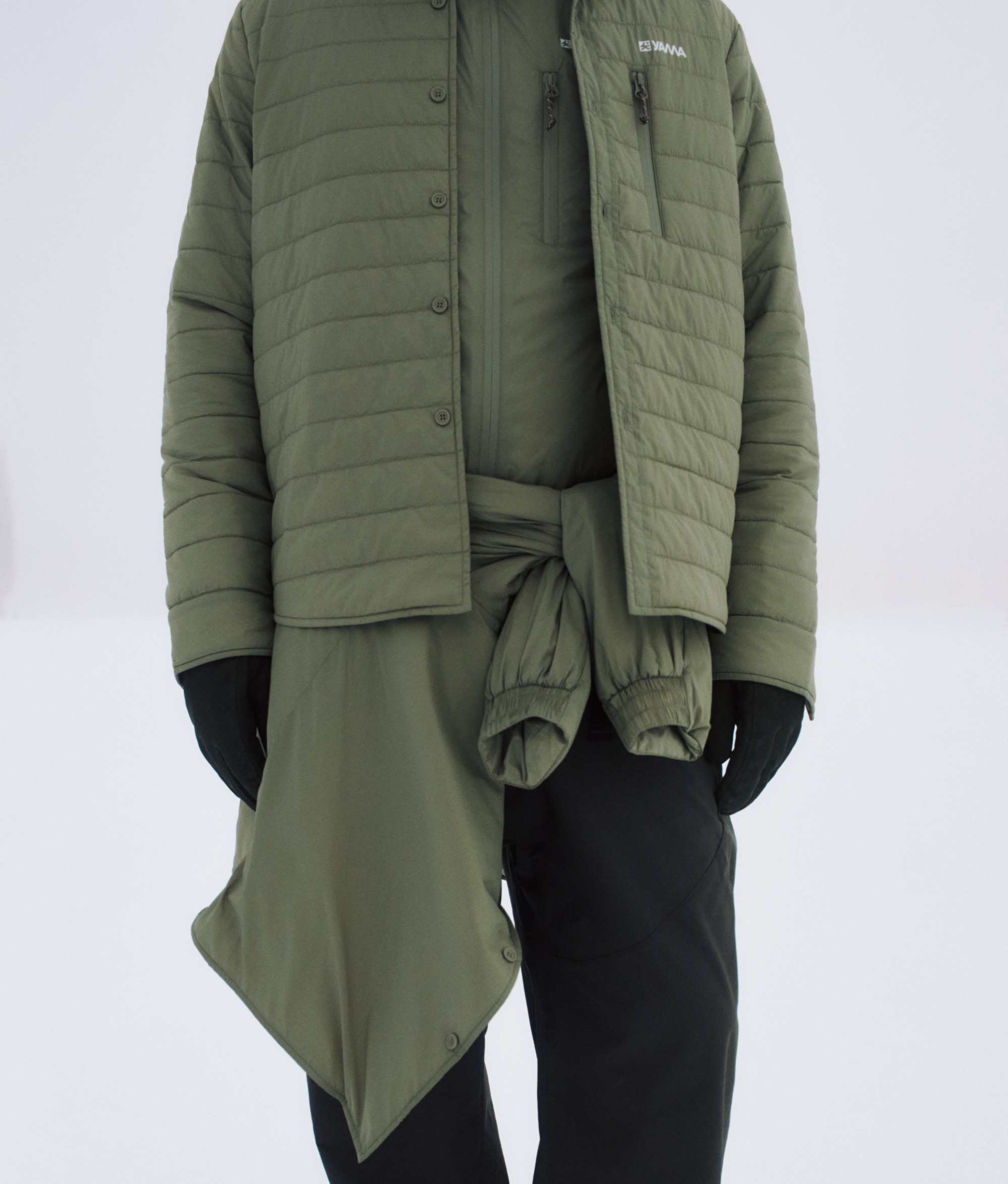
The insulated shirt blocks wind without bulk. Stand collar seals at the neck. Cuffs sit close at the wrists. Warm enough walking to the transit stop, comfortable on the platform.
The cut is clean. Straight silhouette. Function without performance aesthetic. It works in the meeting because it works—period.
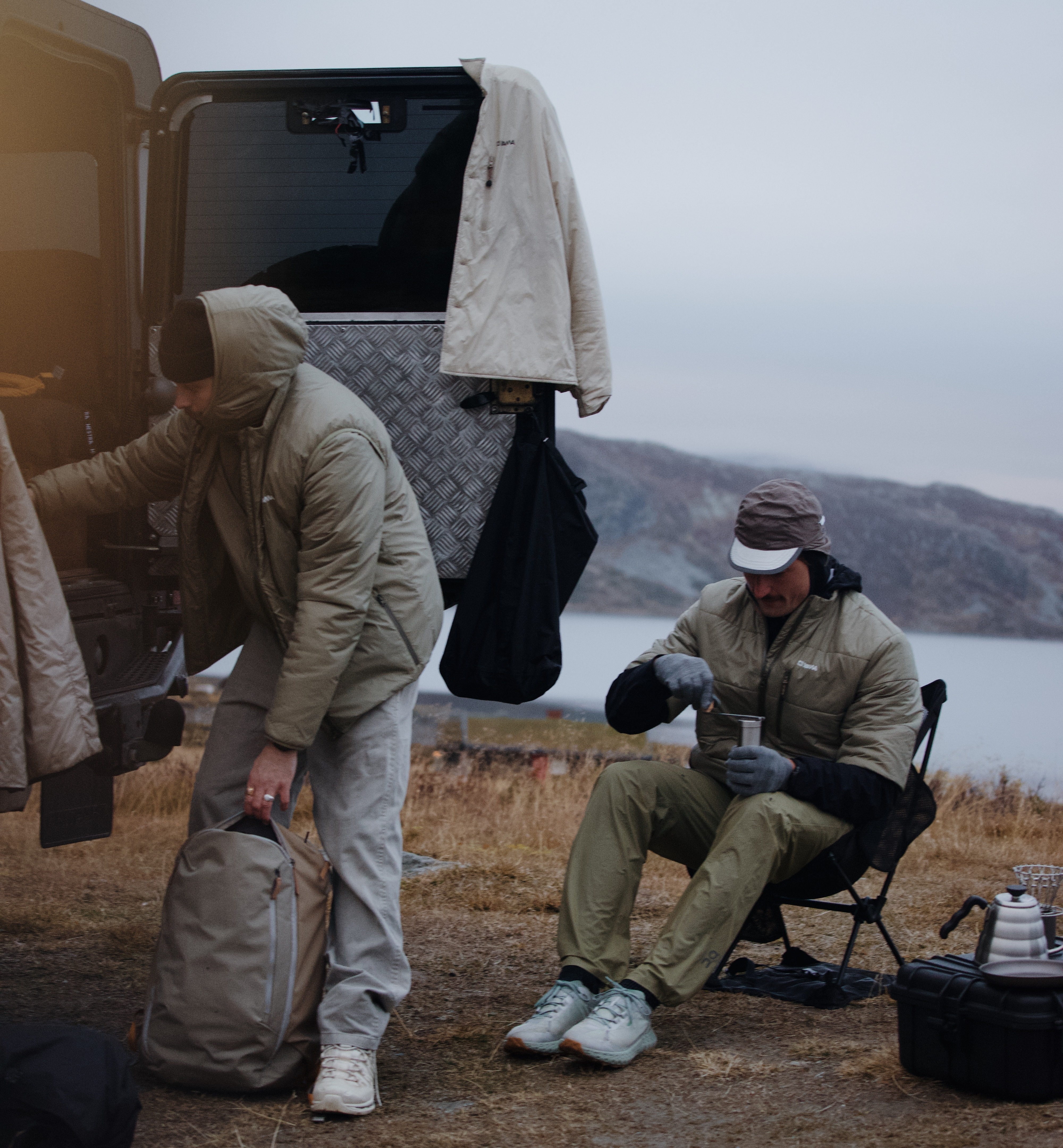
Photo: Karole Zalaite
Midday, transition
The meeting ends. The plan changes. Two hours of daylight left. The trail is 40 minutes out.
Same base layer. Same insulated shirt. Add the shell from the bag—three layers now. Nothing swapped or adjusted for the context shift. The shell goes on in the car. Water-repellent finish if clouds open up. Adjustable hood if wind picks up at elevation.
Versatility means working between contexts without requiring a wardrobe change.
Afternoon, trail
Temperature dropping. Wind steady. Light clouds, no rain yet.
The three-layer system handles it. Base wicks moisture when you're climbing. Insulation holds warmth when you stop. The shell blocks wind at exposed sections.
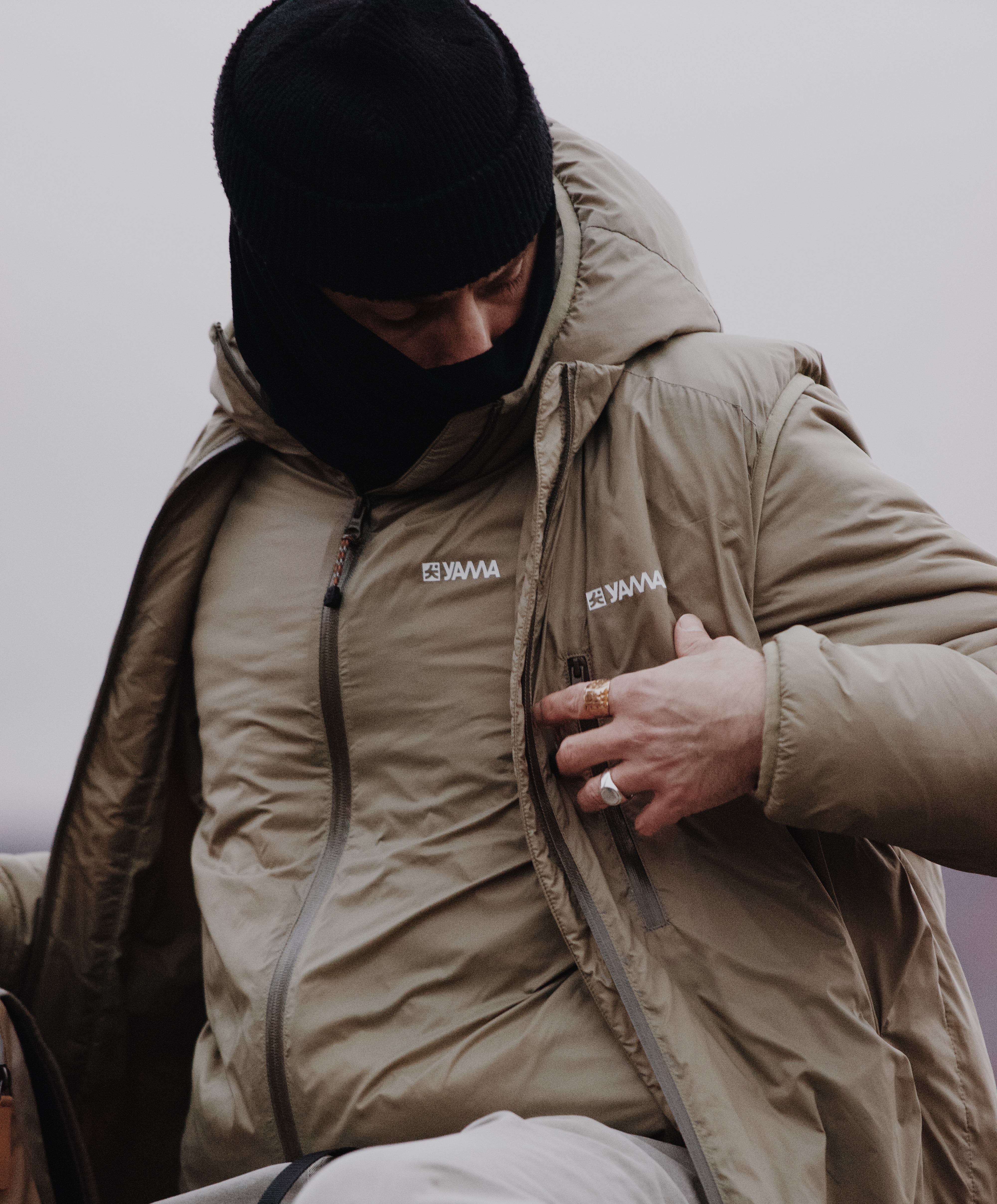
Fifteen minutes in, you're warm from exertion. Unzip the shell from the bottom—the two-way zipper vents heat at the core while keeping chest and shoulders covered. The adjustment happens without stopping.
Thirty minutes in, the trail levels out. Wind drops. Shell comes off, gets packed. Just base and insulation now. The system adjusts to output and conditions without full reconfiguration.
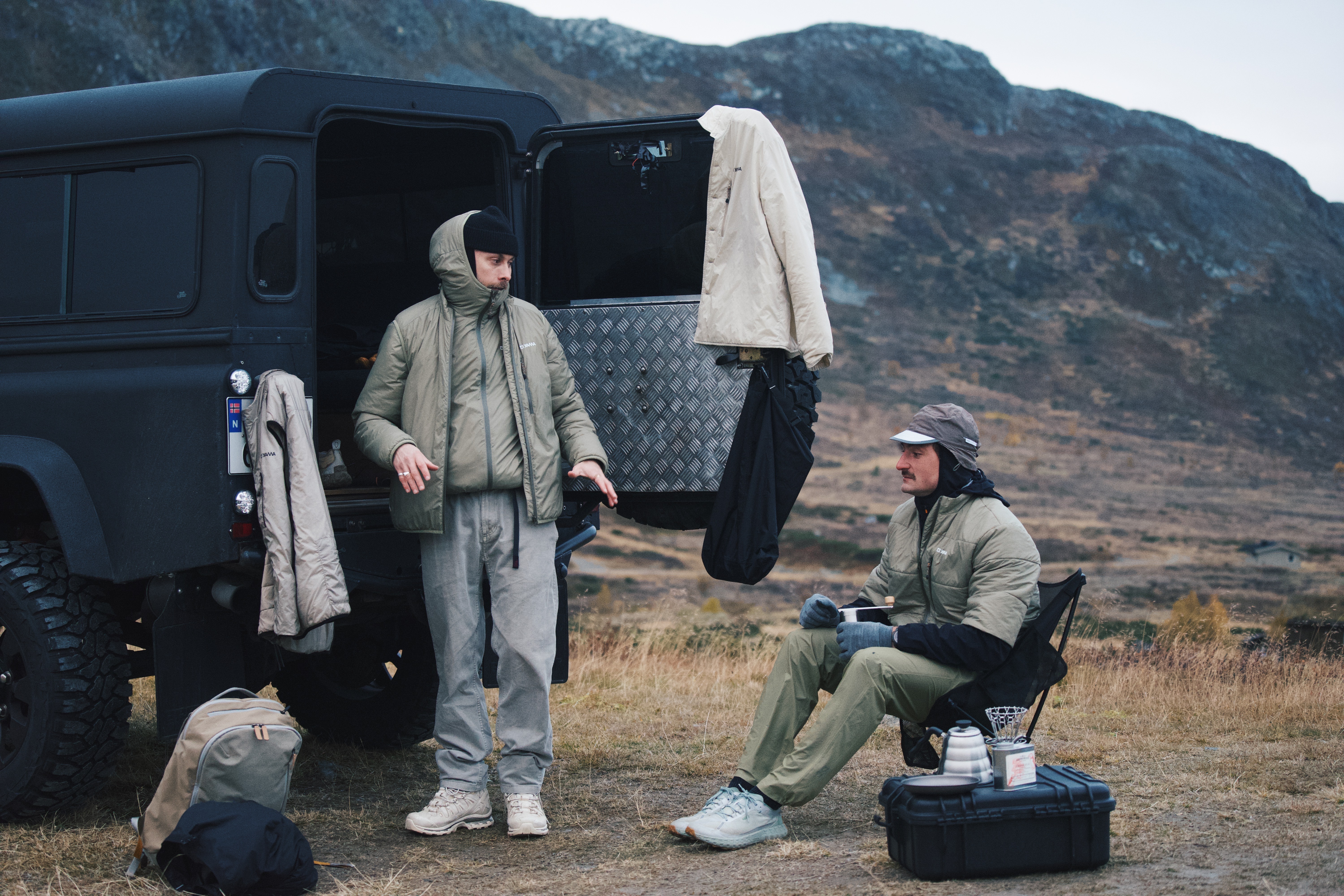
Photo: Karole Zalaite
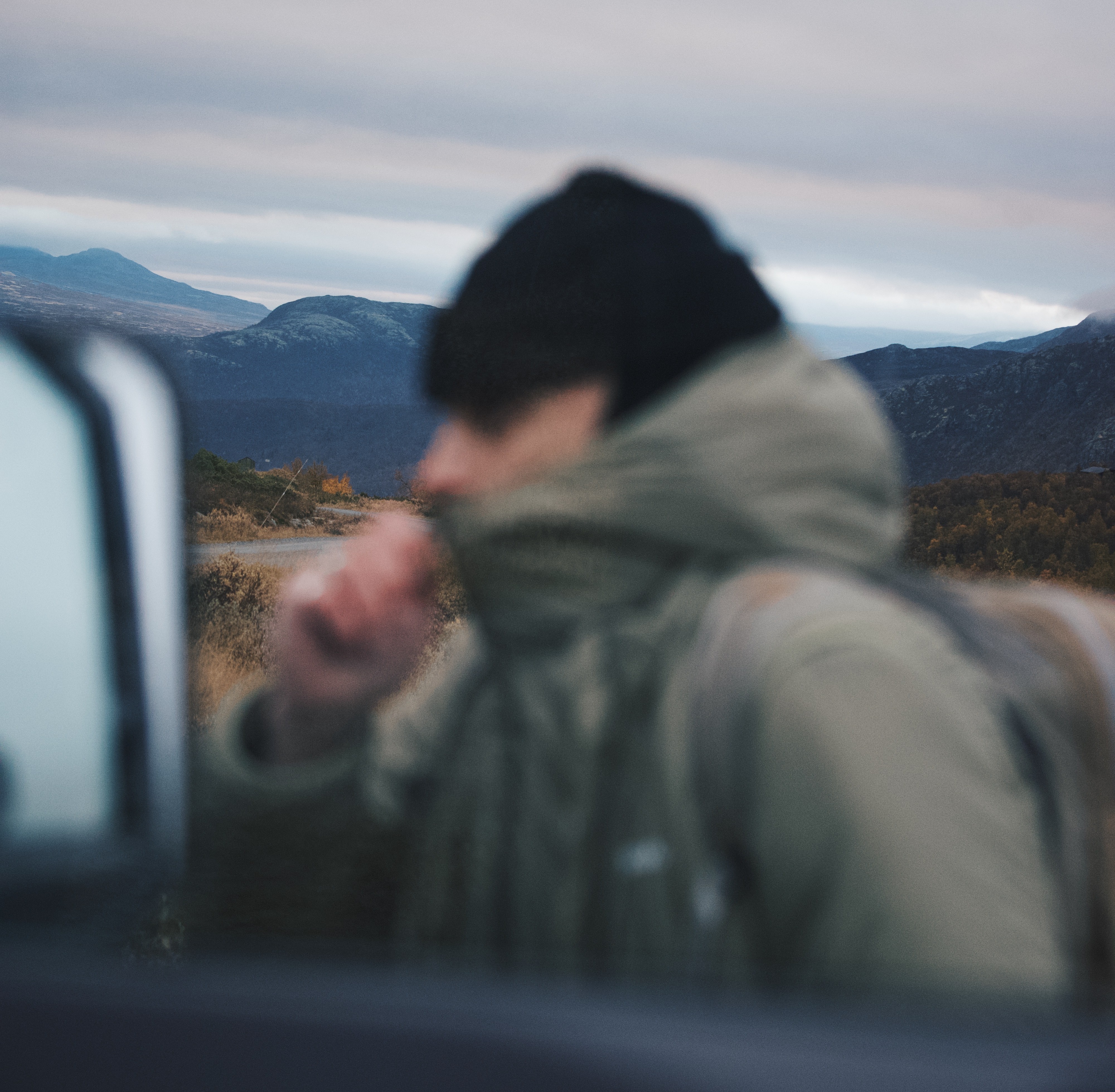
Photo: Karole Zalaite
What doesn't change
The fabric that blocks urban wind also blocks ridge wind. The insulation that keeps warmth on the street keeps it on the trail. The water-repellent finish works the same in city drizzle or mountain drizzle.
Materials respond to conditions—temperature, wind, and moisture. Those conditions exist in both contexts.
A 4°C morning commute and a 4°C ridge approach require the same warmth. A 20km/h urban wind and a 20 km/h mountain wind require the same wind resistance.
Evening, descent
Sun dropping. Temperature falling fast. Shell back on. Everything cinched tight—cuffs, hem, hood.
The descent is quick. You're not generating the same heat as on the climb. The insulation does its work. The shell traps warmth close. By the time you're back at the trailhead, fingers are cold, but the core is warm.
Same three pieces. Morning to evening. City to trail. Six different adjustments throughout the day—adding layers, removing layers, venting, sealing. The system allowed all of it without thought.
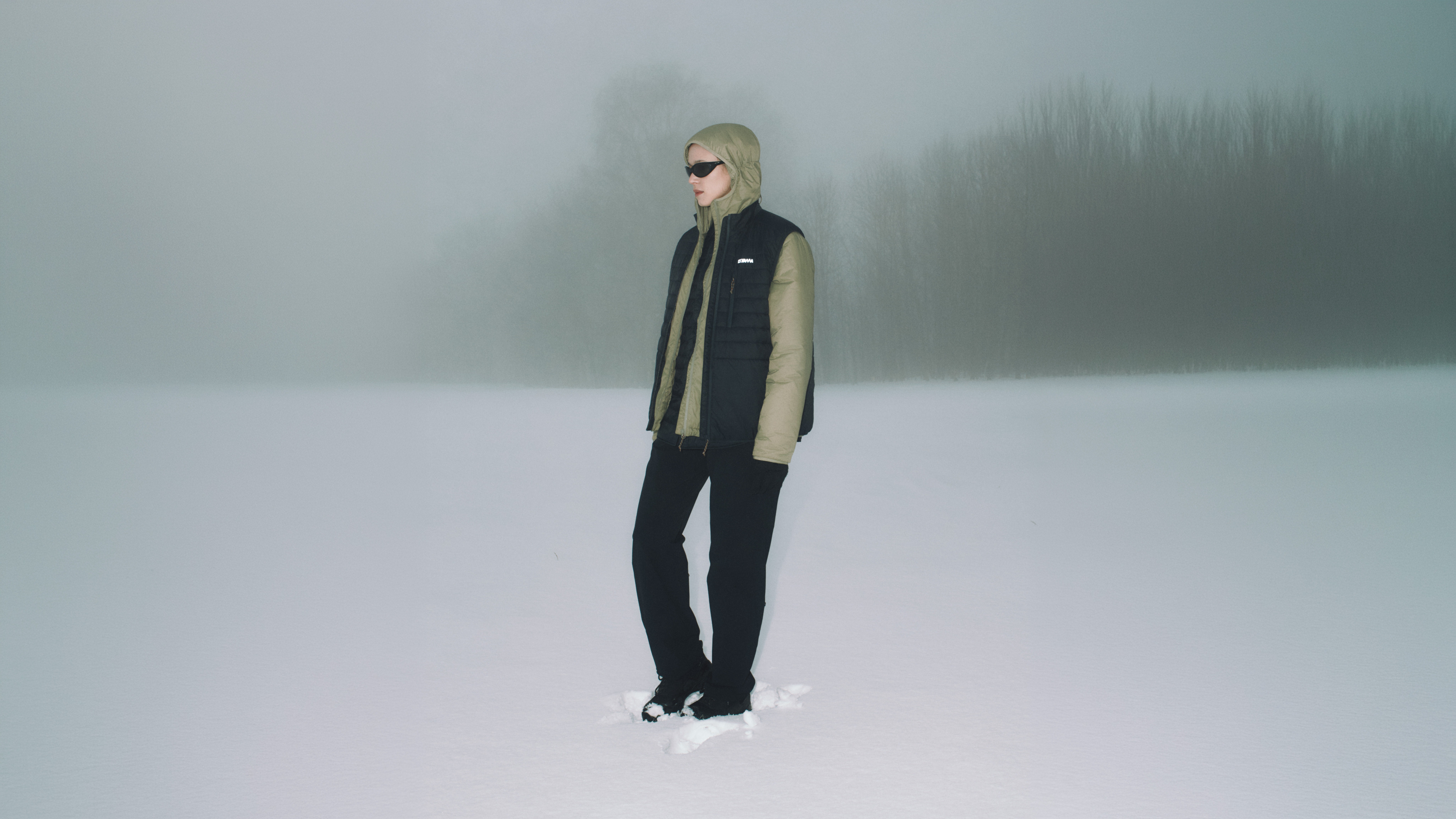
Photo: Sture Nordhagen
Back, city
The shell stays on for the drive back. Still cold. Still windy.
By the time you're home, the pieces have been through a full day: urban morning, trail afternoon, evening descent. Damp from exertion but not soaked. Worn, but not worn out.
Everything goes in the wash. Cold water, gentle cycle. By tomorrow, they're dry and ready. Because the next day might reverse the order—trail in the morning, city in the afternoon.
The system doesn't care which context comes first.
Why this matters
Cold is cold. Wind is wind. Moisture is moisture.
The garments address these through materials and construction—regardless of where those conditions occur. You don't need separate wardrobes for separate contexts. You need pieces that respond to conditions.
This reduces what you own. Increases what each piece does. Makes the transition between contexts invisible because there's nothing to transition. The system already handles both.
City to trail. Trail to the city. The same pieces, the same day.
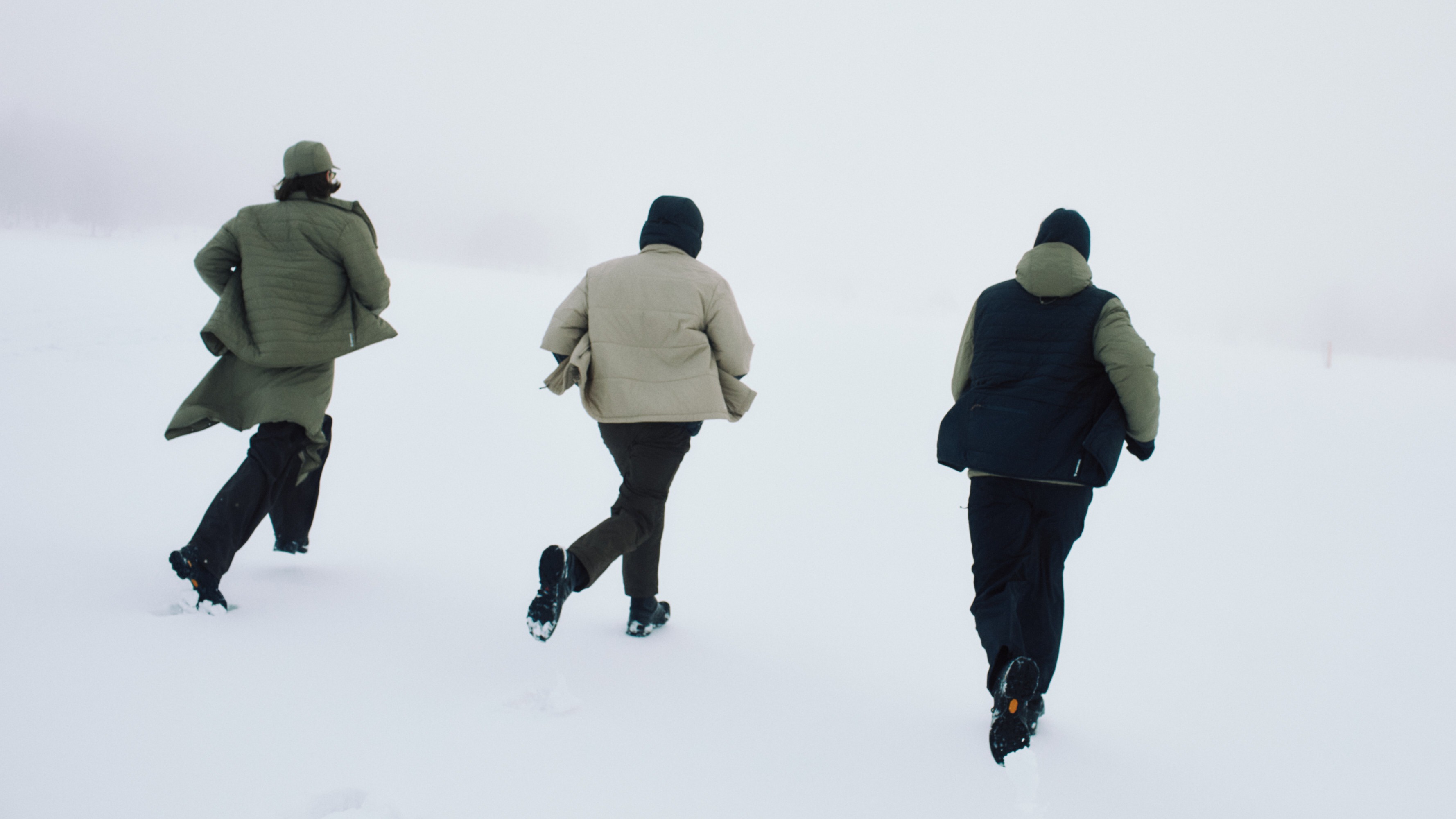
Photo: Sture Nordhagen
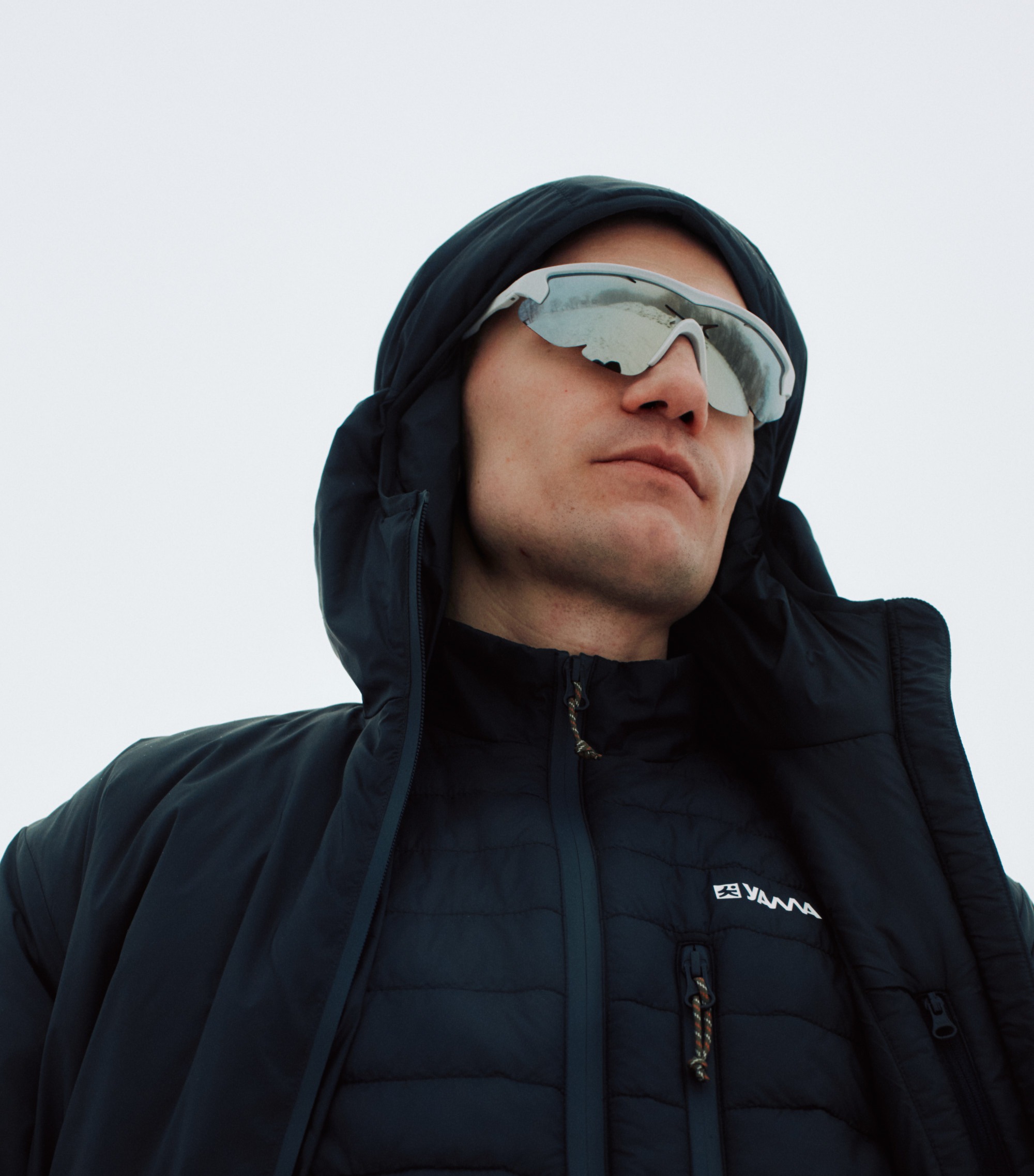
Photo: Sture Nordhagen