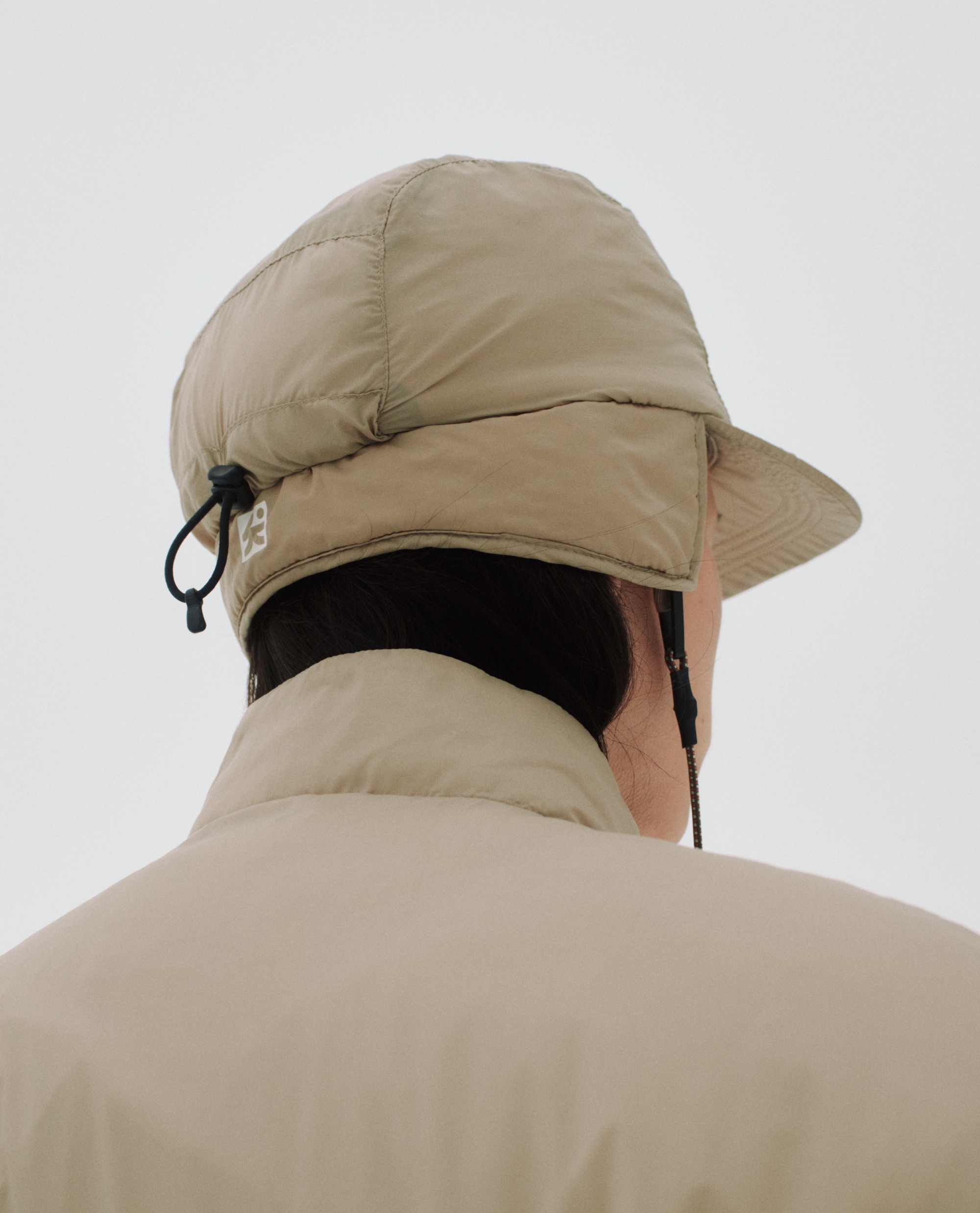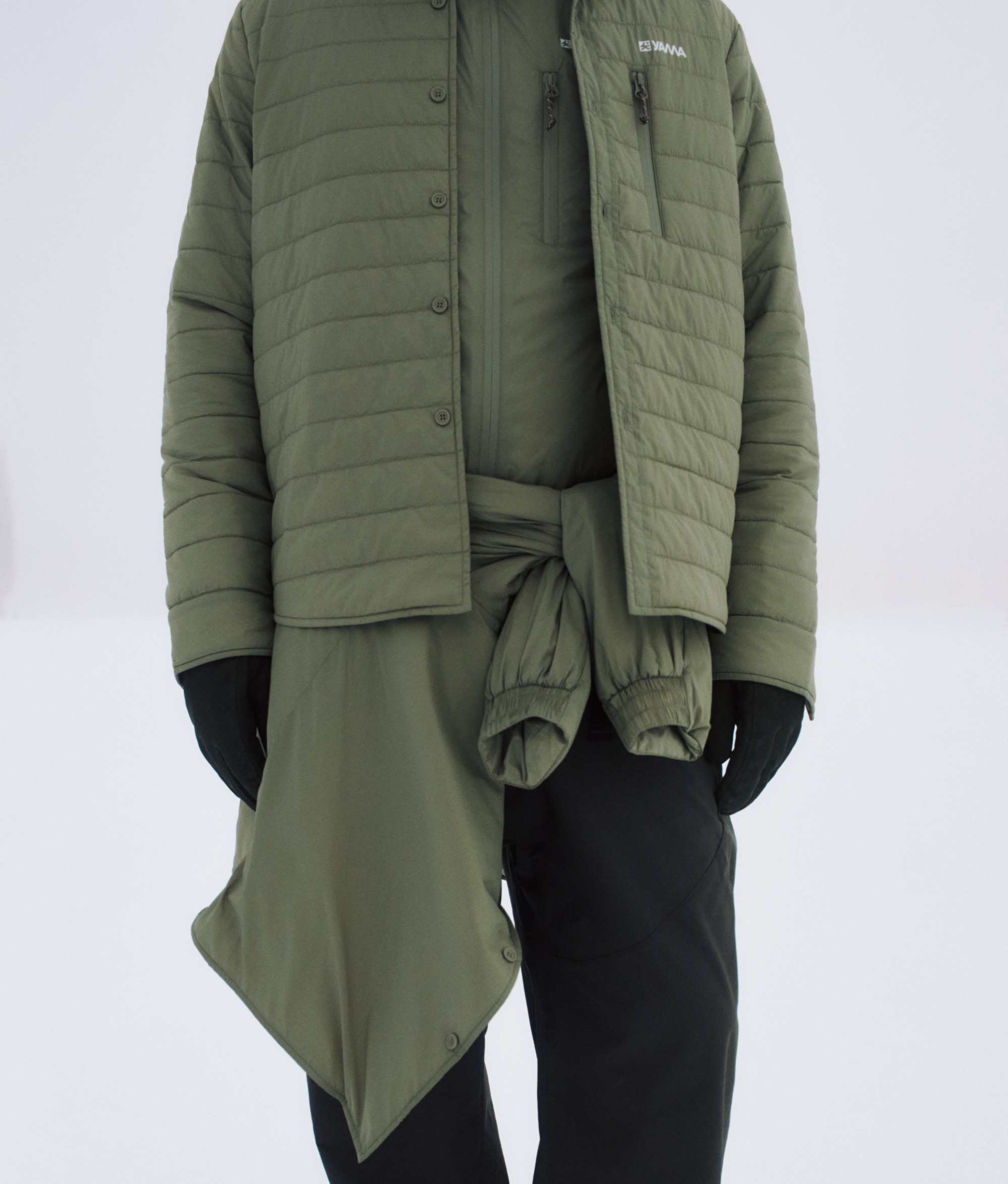
The industry builds wardrobes around artificial boundaries—garments that only make sense for twelve weeks, then wait in closets for the calendar to rotate back around.
This is designed obsolescence by season. Not by failure, but by irrelevance.
Temperature moves, not seasons
A cold morning in July. A warm afternoon in November. A 5°C ridge in April feels identical to a 5°C ridge in September.
Your body doesn't know what month it is. It responds to temperature, wind, moisture. Those conditions don't follow a calendar.
A base layer that wicks moisture in summer works the same in winter. Insulation that traps warmth in October traps warmth in March. A shell that blocks wind in spring blocks wind in fall.
Materials respond to conditions, not seasons.

Photo: Sture Nordhagen
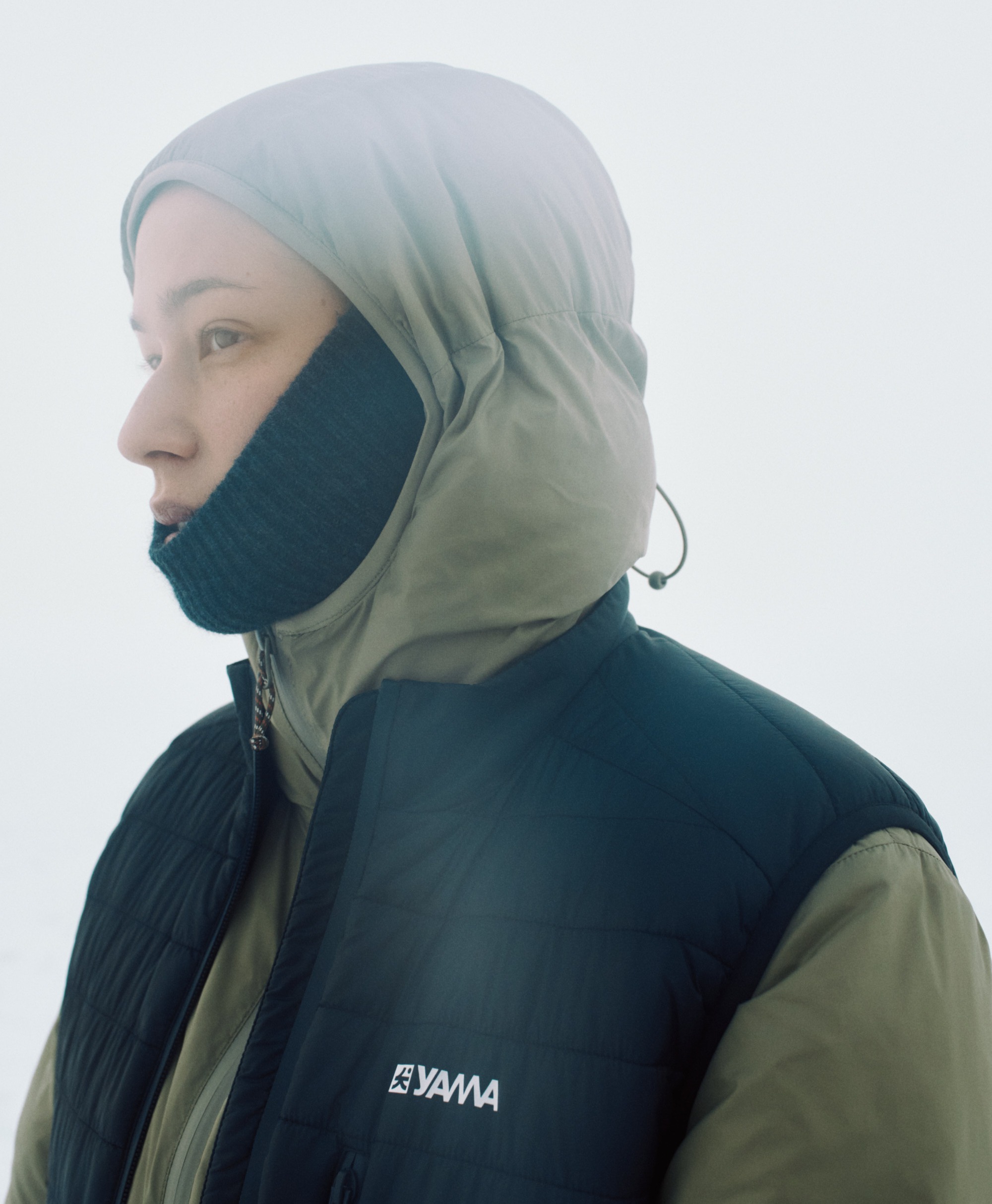
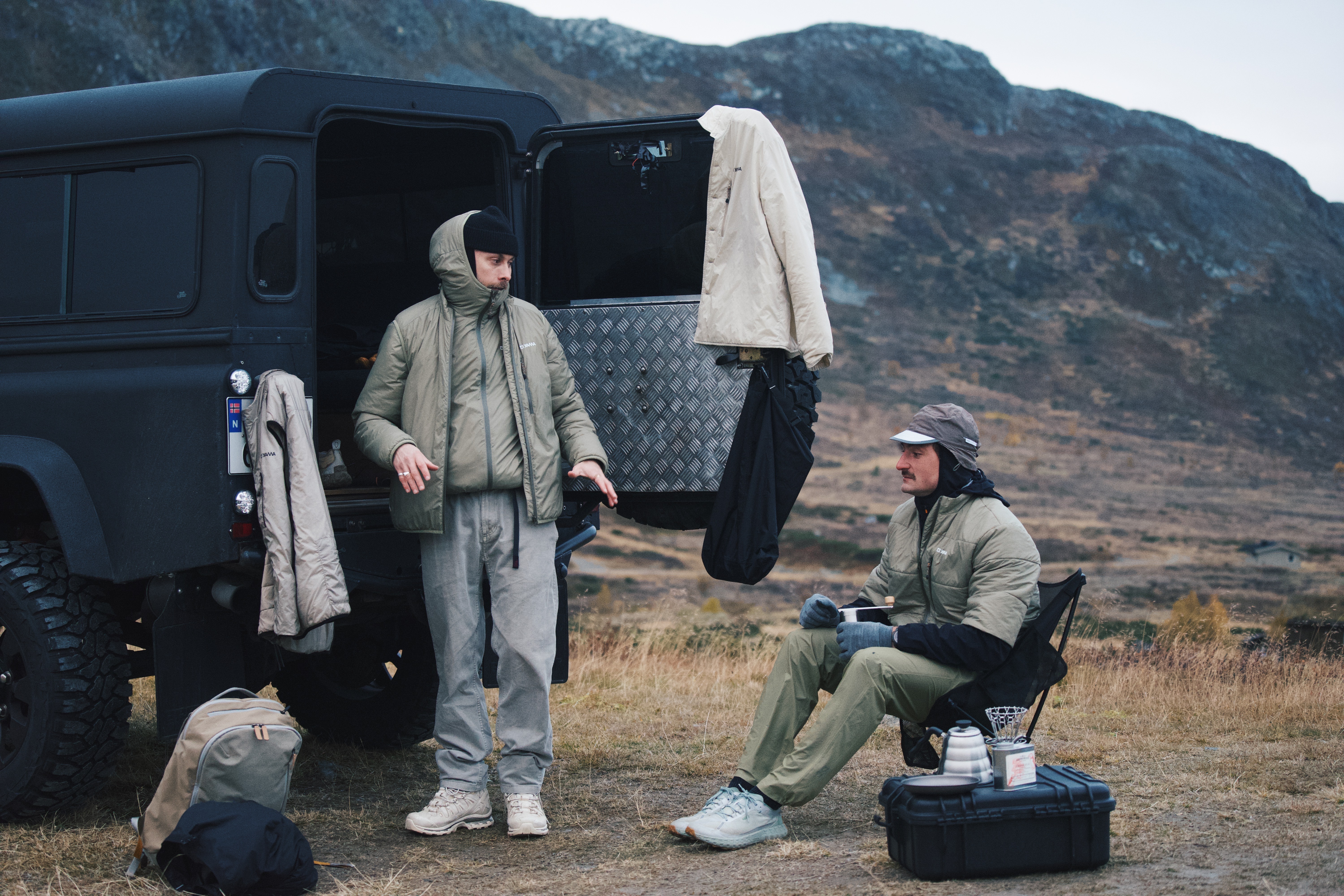
Photo: Sture Nordhagen
Layering replaces rotation
The three-layer system handles temperature ranges from -5°C to 20°C without changing garments—just by adjusting what you wear and when.
Cold morning: base, insulation, shell. All three layers working together.
Warm afternoon: base only. Insulation and shell packed.
Cool evening: base and insulation. Shell if wind picks up.
The same pieces move through the entire year. Nothing sits unused for months waiting for its designated season to return.
What you stop needing
The heavy winter parka that's too warm for anything except the coldest days. The lightweight spring jacket that's too cold by October. The summer shell that doesn't have enough insulation for shoulder season.
Dedicated seasonal pieces narrow their own usefulness. A jacket built for January becomes irrelevant by March.
Seasonless pieces expand theirs. A vest that works as a mid-layer in winter works as an outer layer in spring. An insulated shirt that layers under a shell in December stands alone in September.
Fewer pieces. More uses per piece. A wardrobe that stays active year-round.

Photo: Sture Nordhagen
Climate doesn't care about marketing cycles
Fall/Winter collections launch in August. Spring/Summer collections launch in January. Retail operates on a six-month cycle that has nothing to do with when you actually need the garments.
You're buying winter gear in late summer and summer gear in midwinter—planning purchases around arbitrary seasonal categories rather than actual conditions you're encountering.
Seasonless design rejects this. The same pieces available year-round because they work year-round. You buy when you need it, not when the industry decides it's the right season to sell it.
Nordic context
In Norway, weather shifts within hours, not months. Morning fog. Midday sun. Evening rain. You don't change wardrobes—you adjust layers.
This isn't Scandinavian minimalism as aesthetic. It's pragmatic response to climate reality. When you can't predict what the afternoon will bring, you build systems that handle variability instead of specialization.
The landscape teaches you this. The products reflect it.
What seasonless means
Not "one piece does everything." Not "ignore temperature entirely."
It means materials and construction designed around performance ranges instead of calendar dates. It means layering systems that adjust to conditions rather than closets that rotate with months.
Fewer purchases. Longer use. Pieces that earn their space by working more than twelve weeks a year.
Seasonless isn't a feature. It's a refusal to design for obsolescence.

Photo: Sture Nordhagen