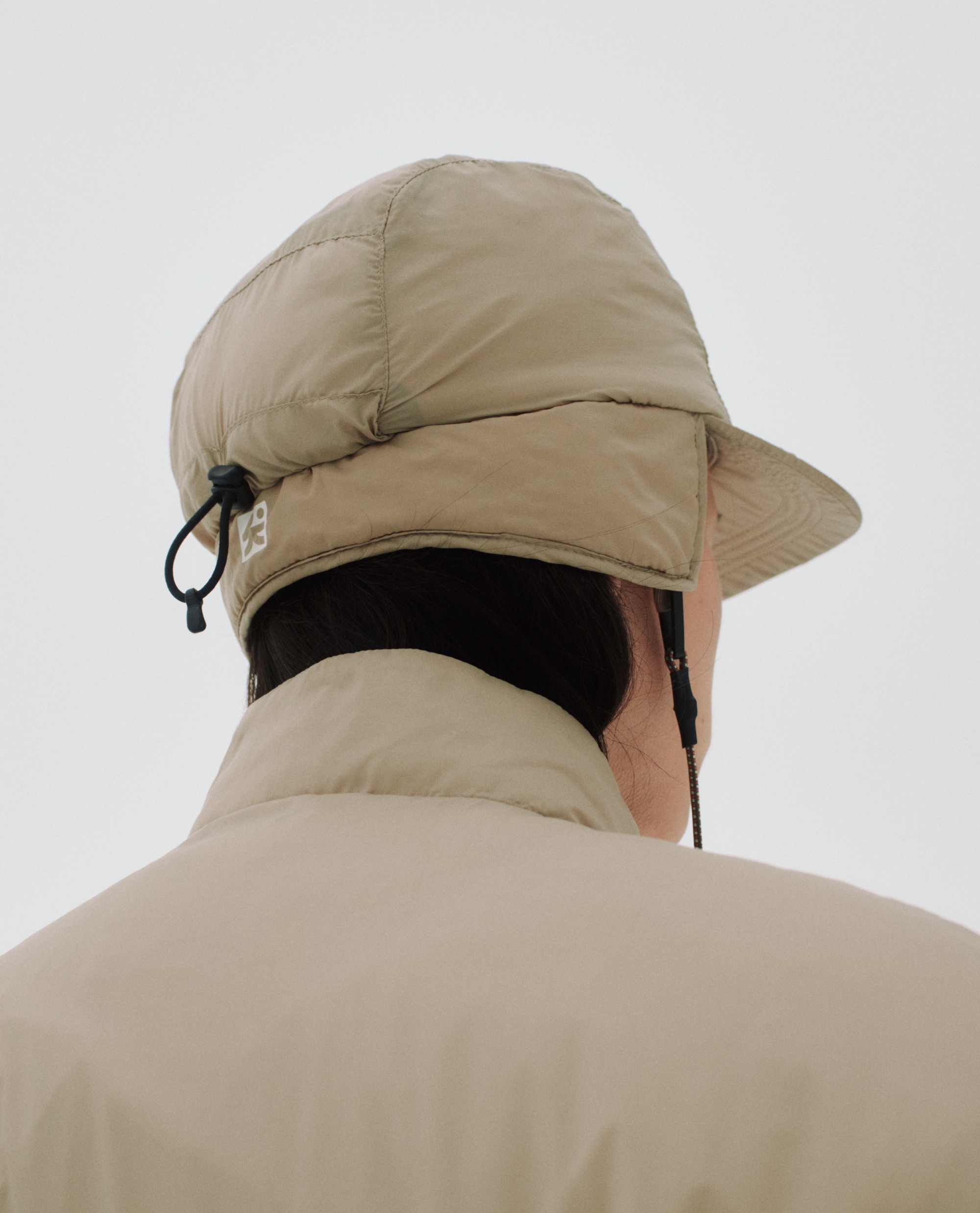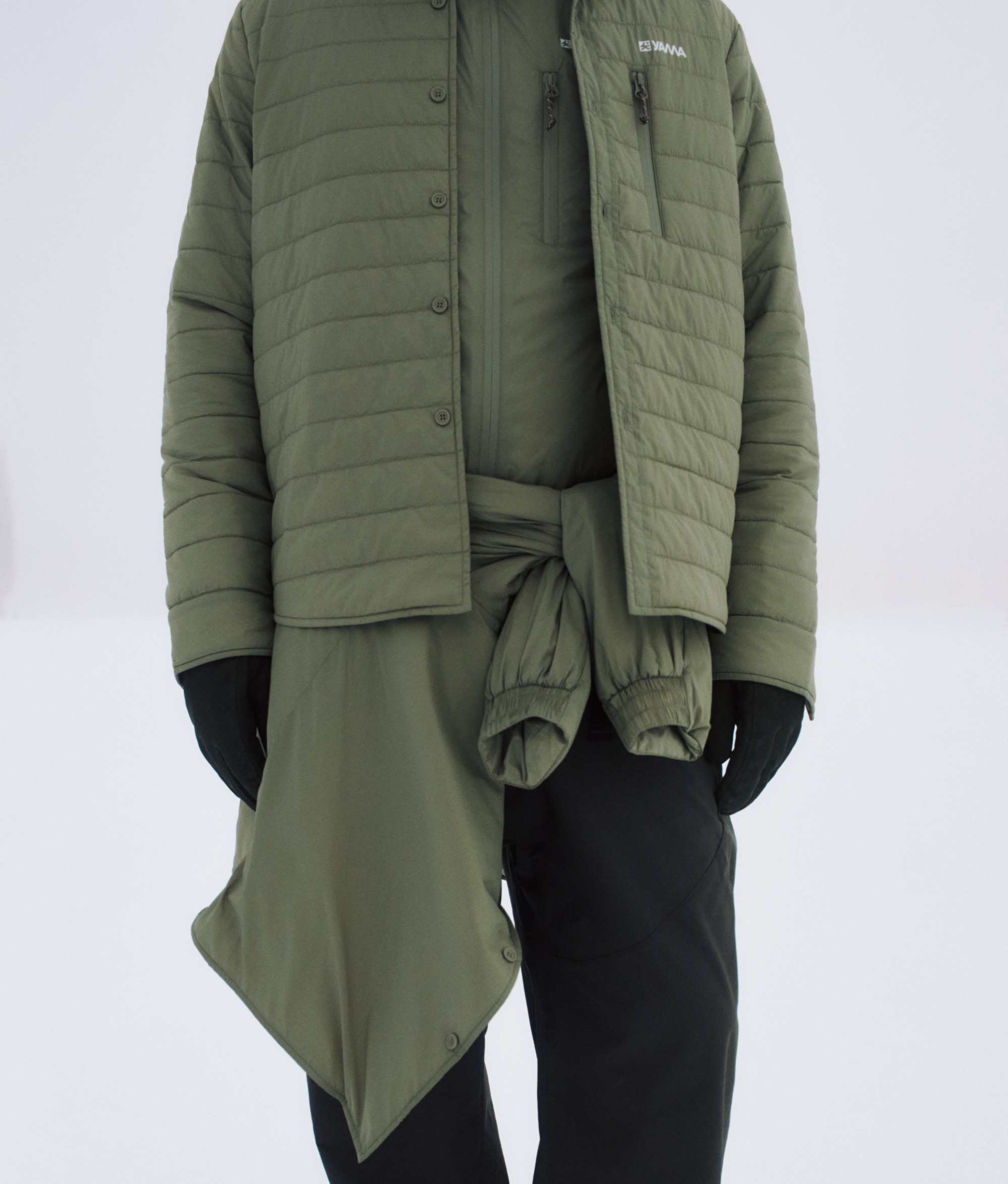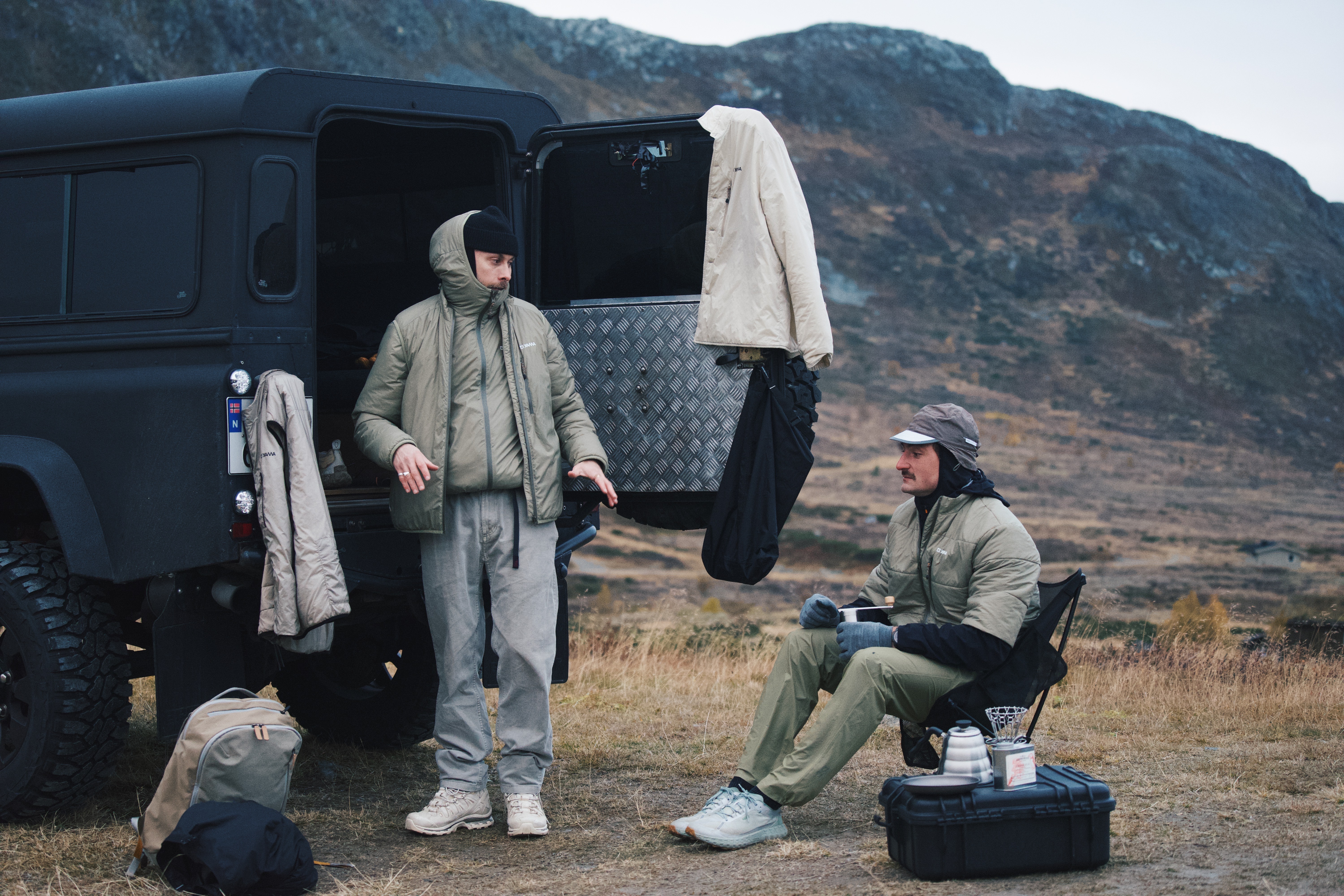
Base wicks moisture. Mid-layer traps warmth. Shell blocks wind and sheds water.
This system works across seasons by adjusting what each layer does—not by adding thickness.
The three layers
The base layer sits against your skin. Its job is moisture management—moving sweat away so you don't get clammy when you stop moving. Synthetic or merino. Both work. Synthetic dries faster. Merino resists odor longer.
Fit matters. Too loose and it won't work effectively. Too tight and it restricts movement. Close to the body without compression.
Mid-layer creates still air. Still air holds heat. PrimaLoft insulation works whether you're moving or stationary. Synthetic fiber maintains loft even when damp.
Vests for core warmth without arm bulk. Jackets for full coverage. The mid-layer is where you adjust for temperature—wear it when cold, pack it when warm.
The shell blocks wind and sheds water. Water-repellent, not waterproof. This distinction matters. Repellent sheds light rain while maintaining breathability. Waterproof seals everything—including moisture you're generating from exertion.
Stand collar seals at the neck. Adjustable cuffs and hem close off entry points. Two-way zipper vents heat when you're working hard.
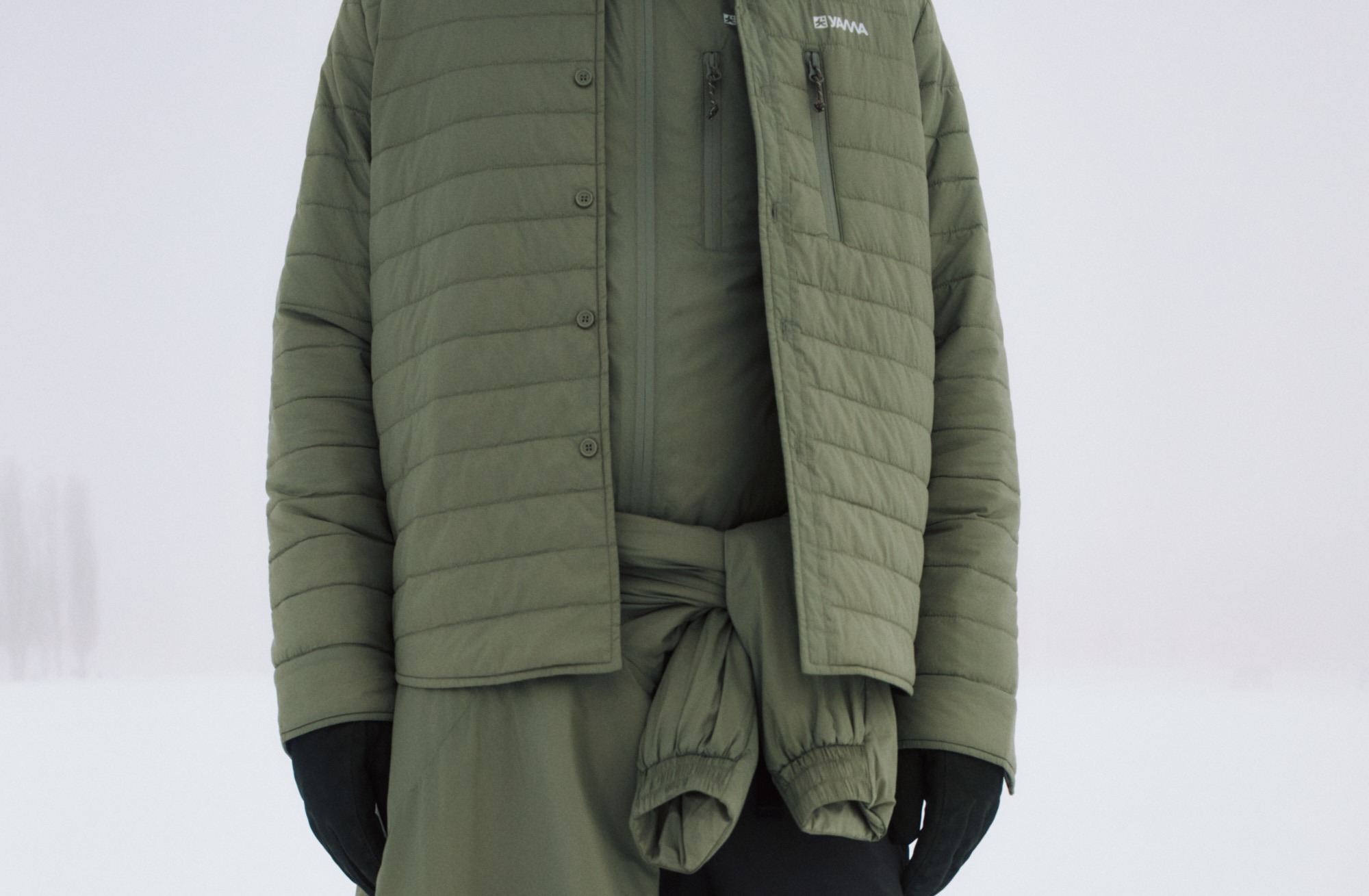
Photo: Sture Nordhagen

Photo: Sture Nordhagen
Reading temperature and wind
Actual temperature matters less than how it feels with wind. 5°C with no wind feels comfortable in base and insulated mid. 5°C with 20kph wind cuts through that same setup within minutes.
Wind chill is the difference. Moving air strips heat faster than still air. The solution isn't more insulation—it's blocking the wind.
Add your shell when the wind picks up, even if the temperature hasn't dropped. Remove it when you reach shelter or the wind dies down, even if it's still cold.
Exertion changes everything
You generate heat when you move. Climbing, hiking, walking uphill at a steady pace produces enough warmth to make you sweat in layers that feel perfect when standing still.
If you're sweating while moving at a sustainable pace, you're wearing too much. Open zippers to vent. Remove your mid-layer if needed. Let air circulate.
Sweat-soaked base layers lose their ability to insulate. Damp fabric against your skin makes you cold the moment you stop moving.
Better to feel slightly cool while moving than to overheat and soak your layers. You can always add insulation back when you stop.

Photo: Sture Nordhagen
When to add, when to remove
Add a layer when:
- You stop moving and immediately feel cold
- You know temperature will drop later—pack extra even if you don't need it yet
- You're moving into shade or wind after being in sun or shelter
- Rain starts or wind increases
Remove a layer when:
- You're sweating at steady pace
- Sun comes out after cloud cover
- You reach shelter after exposed wind
- Terrain flattens after a climb and your output drops
Adjust before you're uncomfortable. Once you're overheating, you've already started sweating. Once you're cold, you've already lost heat that takes time to recover.
Rain and moisture
Light rain or drizzle—shell goes on to keep insulation dry. Water-repellent finish sheds moisture for hours in steady rain.
If insulation underneath gets damp, PrimaLoft still works—maintains loft when wet. But you'll feel colder than if everything stayed dry.
After the rain stops, assess your layers. If the base or mid is damp from rain or sweat, you might need to adjust or add dry insulation to maintain warmth.
Stops and starts
Moving generates heat. Stopping kills it fast.
If you're stopping for more than a few minutes—water break, navigation check, rest—add a layer before you stop. Your body temperature drops within 60 seconds of stopping, especially in the wind.
When you're about to start moving again, remove that extra layer before you begin. Otherwise you'll overheat within minutes.
Short stops under 2 minutes—usually no adjustment needed. Extended stops over 10 minutes—full reassessment. Add mid-layer. Close shell completely. Cinch cuffs and hem.
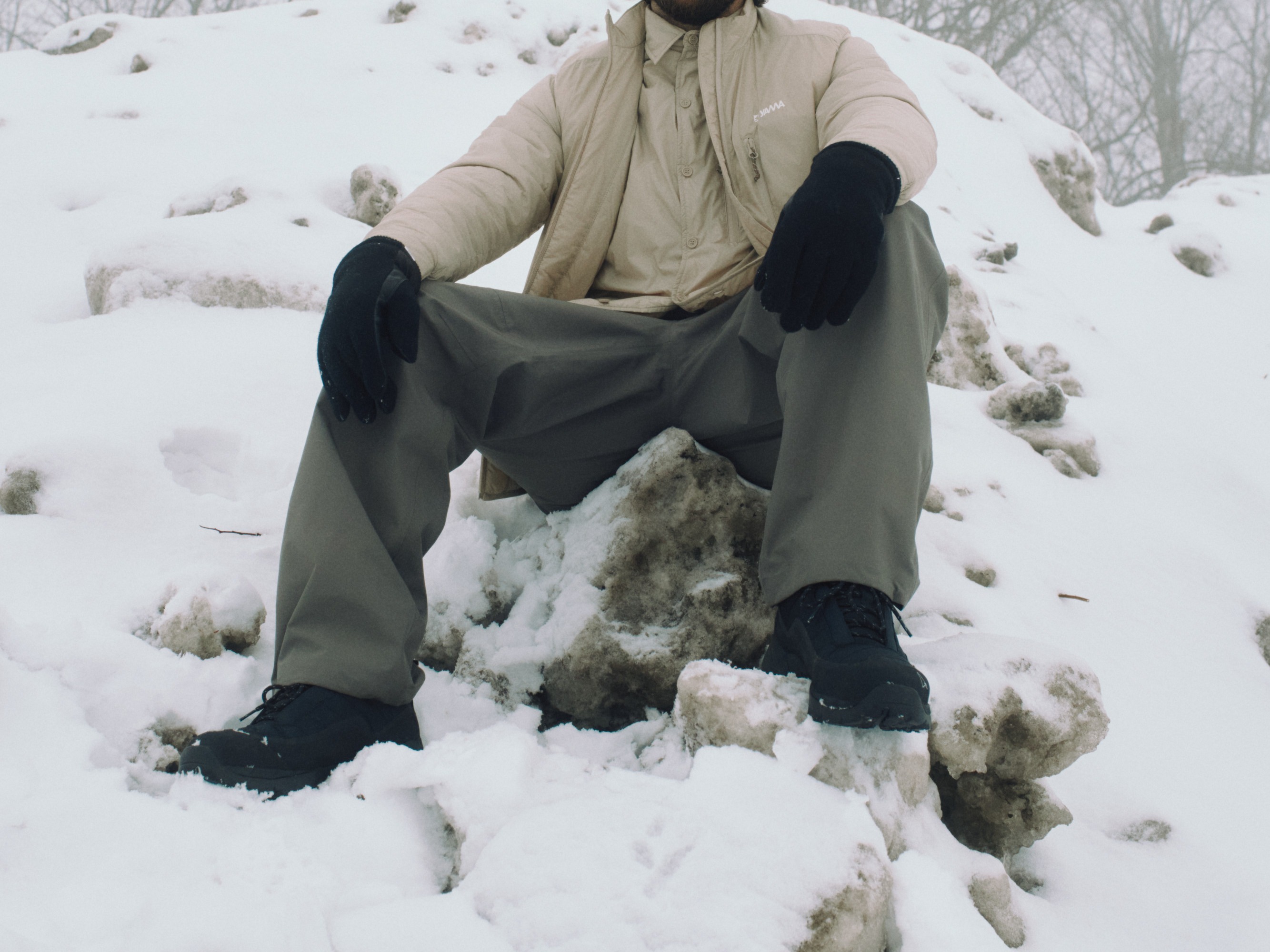
Photo: Sture Nordhagen
What doesn't work
Too many thin layers create bulk without meaningful warmth. Three functional layers outperform five inadequate ones.
Wrong order fails. Shell under mid-layer traps moisture against insulation. Base over mid-layer defeats moisture wicking.
Non-breathable shells over high-output activities make you overheat and saturate everything from inside. If you're working hard, you need ventilation.
Building your system
Start with base and mid-layer. These get the most use across the most conditions.
Add shell when you regularly encounter wind or rain.
Two of each layer allows rotation while one is being washed or repaired. Not essential, but practical if you're using them constantly.
The system scales. Start minimal. Add as your use patterns clarify what you actually need.